
From Madrid rooftops to Miami dancefloors, DJ Real 1 has turned scratching, discipline, and pure love for the craft into a full‑time career. Between South Beach clubs, cruise ships, and underground hideouts, he’s built a life around turntablism, teaching, and creating energy wherever the crowd is ready. Here, he opens up about his journey, his gear, and what it really takes to stay sharp in a city that never stops dancing.
Location: Miami, Florida
“At the end of the day, I’m just a guy who loves to play music, teach, and make people feel something.”
— DJ Real 1
From a college kid hauling record crates onto trains in the UK to a scratch‑obsessed instructor in Miami, DJ Real 1 has built a career that blends technical skill, showmanship, and relentless discipline. Over more than 14 years, he’s moved between massive South Beach nightclubs, cruise‑ship decks, and intimate spots where the energy lives in the details. Now, between teaching, YouTube content, and gigs across the U.S., he’s focused on one thing: staying undeniable behind the decks.
We sat down with DJ Real 1 to talk origins, gear, travel, scratching, and what it takes to build a long‑term career as a DJ in Miami and beyond.
1. Origins, Miami, and turning DJing into a career
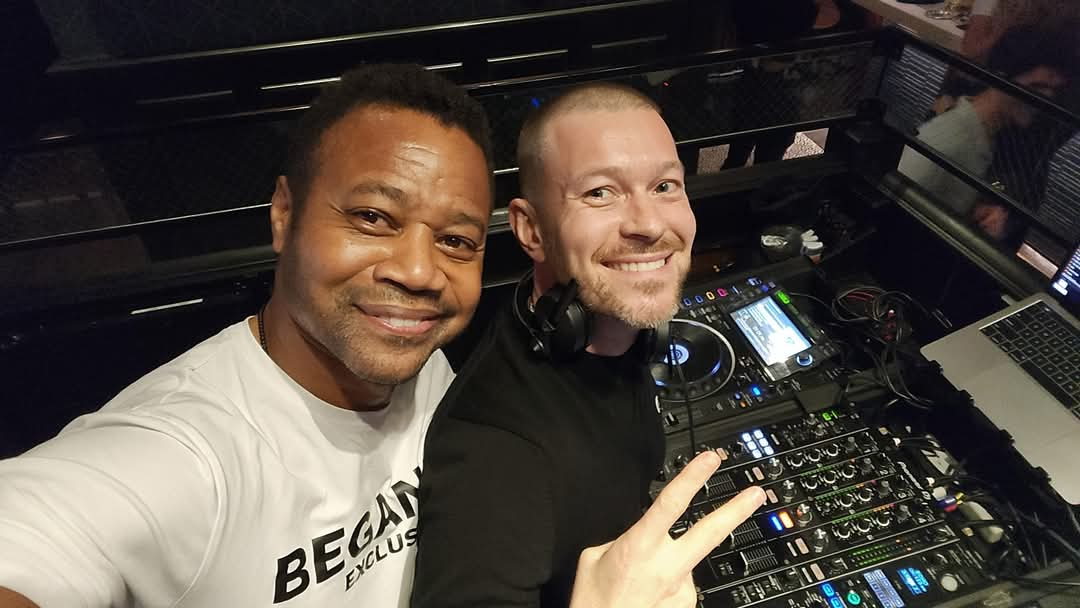
Q1: How did a summer in Madrid and meeting your wife lead to your move to Miami?
So… we’re going back to 2011 here… I was living in Madrid at that time, signed to a record label that was run by a Canadian guy. We did one full summer season of DJing out there, and during that time, I met my wife.
After the summer was over, I came back to the UK, and my girl said, “You would probably do really well here in Miami” (where her parents lived).
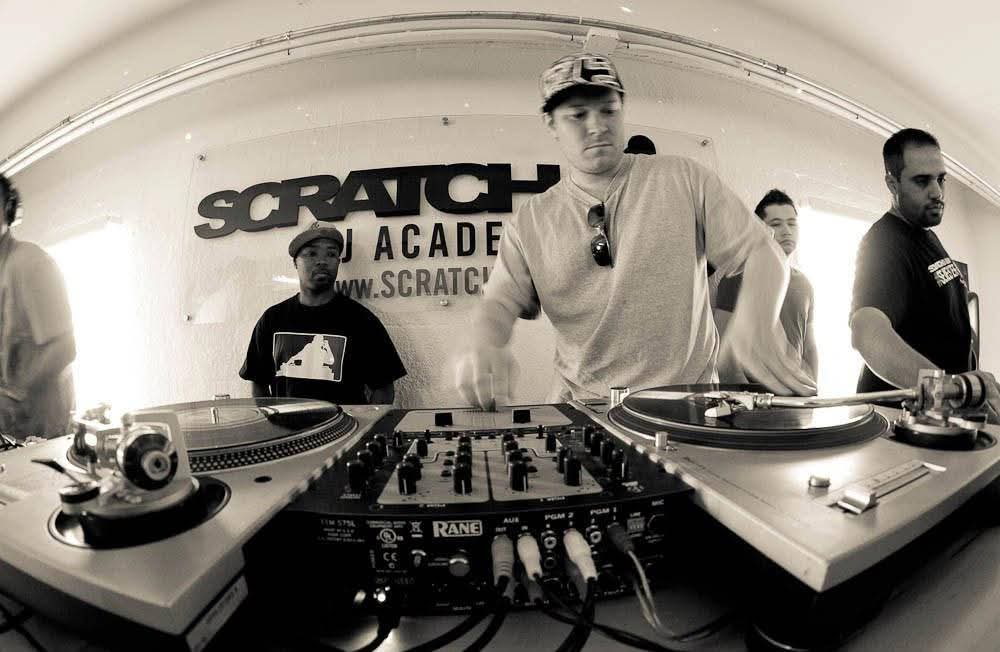
So, we put several things in motion and aimed at moving me out here about 12 months later, but the seal‑the‑deal move was applying and sending my demo to Scratch DJ Academy, which was booming at that time. The Academy director got back to me and said something along the lines of, “Hey man, really skillful demo, come in when you land.”
So, I made that my main goal once I landed, and after about three months, I was brought in as an instructor. I did that for three years and used it as a big platform to jump into the Miami DJ scene full‑time.
Q2: How did working at Scratch DJ Academy help you turn DJing into a full‑time career in Miami?
I’m not entirely sure how much influence the UK still has on me now after 14 years, as most of my influence was from the US. My favorite DJ to watch for years was Q‑Bert, the scratch master. Being obsessed with that guy and trying to replicate his abilities in my teens and early twenties was one of the best things I could have done, it turns out, as even now I’m still told my scratch skills and turntablism are genuinely impressive—when for me it was just an obsession with that guy, haha.
I would love to play some more of the UK DJ scene, but alas, it’s pretty different from the Miami scene. Drum & Bass is huge over there, which I love, but there aren’t many D&B nights over here, though I still make routines in my spare time.
2. Gear, setup, and evolving as a DJ
Q3: How has your DJ setup and equipment evolved throughout your career?
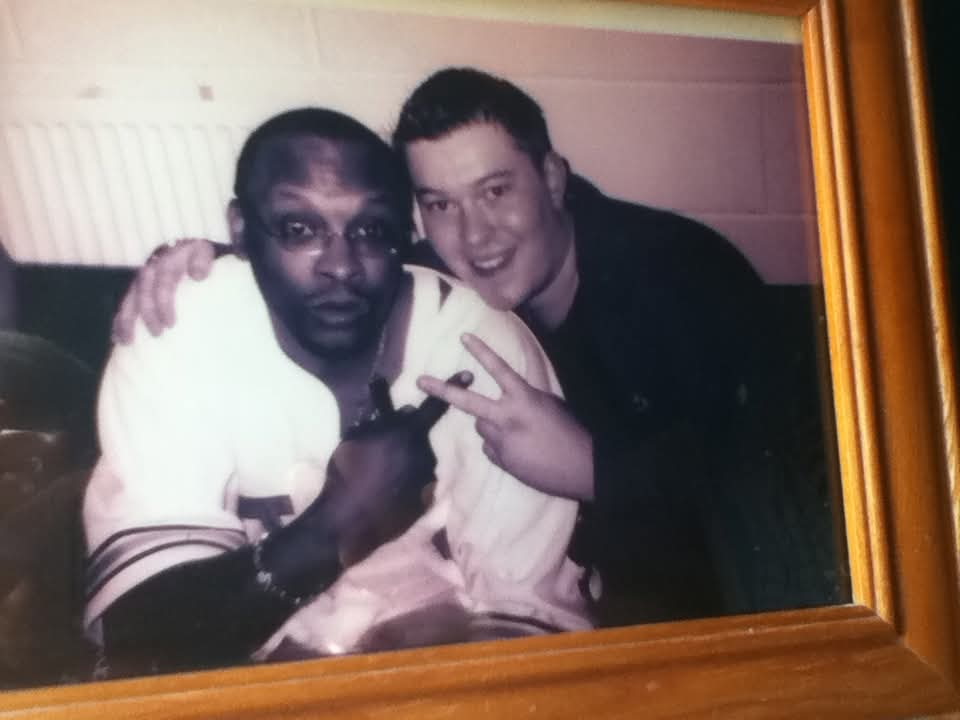
Oh yeah, I’ve tried almost everything in terms of gear and setups! Naturally, as a turntablist, I started on the decks. Being in my 40s now, I remember at college I was the kid dragging two huge record crates onto the train to go to a gig, haha.
These days, it’s all about the controller. I currently use Traktor and Serato. I have a limited‑edition S4 MK3 that has a cool story—I got it off eBay about six months after they flew off the shelves for NI’s 25th anniversary. I was looking online for one and found a guy selling the very first one—001 out of the factory—so I just had to have it!
Then I fell in love recently with the new Rane MK2; it’s the newest 2025 controller with the best, smoothest‑looking rotating platters for Serato that really mimic the old‑school feel of vinyl. I also teach a class right now, and my pupil has an XDJ‑RX3 Rekordbox controller with smaller screens designed to flow without a laptop, so for me, DJing is universal. Once you get good, as it were, you can rock on anything.
Q4: What do you feel has changed most in the way you DJ compared with when you were starting?
Work out a lot, haha. Try not to drink too much—that’s a big issue with a lot of DJs—free booze and on‑the‑house food. I try to abstain from most of that, or at least make healthier options.
If I DJ a double shift, say a pool party, then a nightclub after with a couple of hours in between, I frequently prep the day before. Something I’ve found that is just better than any Monster drink or Cuban coffee is an ice bath. I shoot back to the crib and jump into a tub of ice water, and then I’m good to go for hours longer—it really is a game changer for me.
Then on my days off, I’ll make sure I get my jogs in and get a good amount of sleep.
3. Venues, travel, and the life of a touring DJ
Q5: Which kinds of gigs do you find the most challenging, and why?
Sure, yeah—big nightclubs and weddings! Those two are some of the biggest challenges long‑term. When I was headlining the Clevelander on South Beach, arriving on a Friday night and being in the parking lot right over the road, being able to hear the warm‑up DJ and the MC already shaking the building was very nerve‑racking in the beginning, so it just builds up resilience over time.
Then doing a wedding is like forced fun! You have three hours to rock the party that someone paid a lot of money for, so you’d better make sure every song you select is a classic that young and old alike know and love.
Then you have gigs like cruise ships, which can be a relaxing poolside event in the morning and a Caribbean‑style night BBQ on the beaches of Nassau in the evening. You have to have playlists for all occasions ready to go! Travel too, now you mention it—playing in Miami is going to be very different from playing in London or Germany, not just because of the difference in languages and corresponding peeps but musical tastes too. Dropping Drum & Bass in London, if done right, will go down a treat, typically much less in Miami, whereas in Germany, they really favor techno and house over anything else.
Q6: How do you approach the logistics of travel, gear, and bookings?
Well, it’s really not that big of a deal these days logistically—just getting all your stuff through customs can be annoying. I don’t like being told I have to take my laptop, controller, and Maschine out to be fiddled with—that’s definitely annoying.
Booking‑wise, I typically just leave that to my agent, lol. Truth be told, Miami keeps me very busy being the DJ capital that she is. I don’t feel much pull to fly all over the place these days; driving from Boca to Miami is about as much travel as I need after 22 years, haha.
4. Skill, teaching, future, and artistic vision
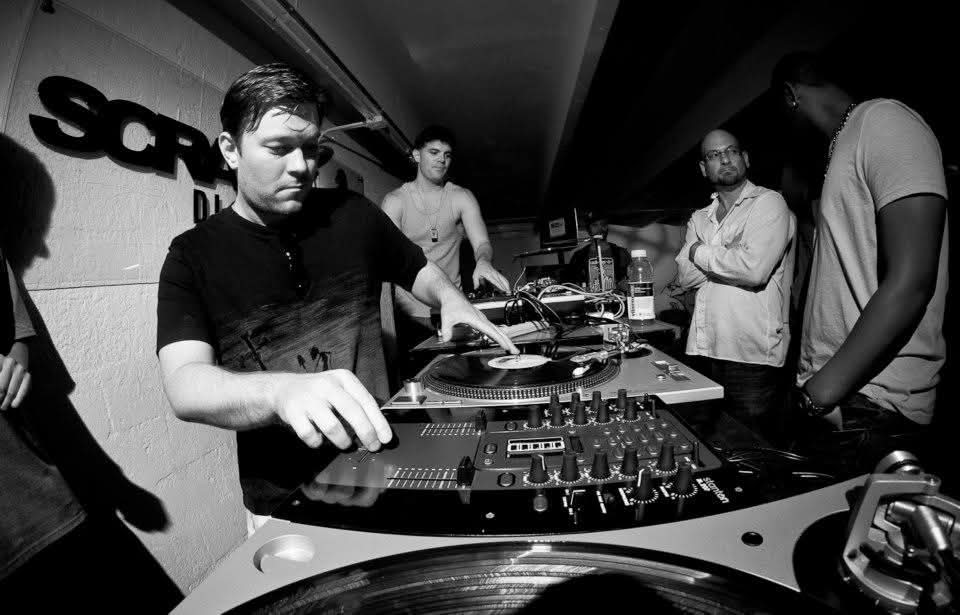
Q7: Why do you consider scratching to be one of the hardest DJ skills to master?
It has to be scratching… there’s really nothing else, other than perhaps finger drumming, that comes close to the level of effort it takes to get good. It’s something I see utilized poorly a lot—I see it used too much sometimes as well.
When I teach a private lesson, I can have my pupils mixing with no sync and understanding everything in less than six months. But solid cuts take years of practice; it’s equal to guitar or piano, except you really have to have a jazz‑style ear, as there’s very little in the way of books and courses like there are for other instruments.
Of course, these days there are endless YouTube videos for beginners, but it seems like the new‑school DJs just wanna be out there straight away. There’s much less emphasis on practicing in your bedroom for years before you show the world who you are—probably down to phones and social media.
Q8: How has creating YouTube content and mixes changed your relationship with DJing?
Yeah, I have product reviews on my YouTube channel with tens of thousands of views, but it usually corresponds with the release of something new, or I’ll catch the bug to put something out!
My newest project is a mix that I wanna double down on like three times. So, the first thing is creating a tight, dope‑sounding mix—perfect phased transitions, sections carved out for scratch solos, cue points filled to the brim with color‑coordinated sections—then once it’s ready, I’ll hit record.
Then I’ll take that same mix over to Serato Video DJ and replicate it because I know it off by heart at that point, again with all the music videos. I’m doing this as the third step would be actually filming me doing it live, from cool edited angles of me arriving at the funky‑looking location and plonking my controller down and plugging it in, to splicing that and the intro cuts straight into the music videos, then back to me whenever I do something like a scratch solo.
I always loved watching DJs with skill do cool mixes, but then if it’s just a straight camera down the middle, after about 15 mins I need something else—so this is the idea to keep people entertained, and my most current project.
Q9: What do you think about social media, “clout,” and how it relates to real DJ skill?
It’s a love‑hate relationship for me because I post something cool, then get stuck in a cat‑zoomies doom scroll, haha. But I don’t have a huge following—usually, the younger generation who know how to leverage their posting and stuff do better than the actual technical DJs.
Most of my friends in the Scratch DJ world have a modest 2K–10K followers, but they’re actual people who think what you do is cool and interact with your posts consistently. When I was playing at Throw Social last year, I was the Friday night headliner, and this young duo of DJs did the Saturday. I have 1,500 followers; they had 250 thousand—yet we were making the same money, haha.
So I’m not sure if “clout,” as it were, will go as far as raw talent and skill. If you focus on being unbeatable in those settings and just post actual content that people can watch and learn from, you’ll probably be around a decade from now, unlike those trying to get a quick following for gigs when they don’t stand out as anything special once they go live.
I’d also work on your YouTube channel. I see a lot of people being put off by the fact that DJs can’t monetize when using chart or other people’s production, but I recommend forgetting about all that and working on putting something special together. I’ve still drummed up loads of work and know of others that have 10x’d me from one video that people watch and then contact you for an event—just from the video actually being a skillful DJ doing his or her thing.
Q10: How do you see your DJ style, and what are your goals in the next few years?
Well, I was obsessed with Tupac as a kid and jumped at the chance to play a classic or two of his. But most of the time, I stick with what’s popular today as well as back in the day, so my style is a blend of the best from today and the best from the past. Usually, whether you’re 55 or 25, you can sing along to my DJ style as I pick the best music of the last 40 years or so.
In the car, however, it can be very different, haha—Sub Focus, DJ Craze, Bugzy Malone, Central Cee… UK hip‑hop, Drum & Bass, house bangers, even country music sometimes make an appearance. I’m also guilty of playing a lot of my own stuff 😛
That’s a tough one! I really would like to start teaching again full‑time during the week. I’m working on setting up a streaming platform now with a new company, and we’re going to be teaching beginner to intermediate classes to bring into the scene the best pupils from the classes.
For me, I’d like to go into some of the more underground clubs in Miami—the feel‑good hideaway places rather than the giant screen, hands‑in‑the‑air clubs (been there, done that). But current times tend to dictate the way DJs move, and ultimately, it comes down to making money! So I’m still wide open to any opportunities that come in!
I really enjoy poolside DJing too—creating a vibe for people hanging out in the sun is a lot of fun and usually drums up a ton of private parties too when done right! Always have your business cards ready! 😉
After that, my biggest goal is to play in other cities around the U.S. I’ve been blessed to play in Europe a lot, being from the UK originally, but sadly I’ve not really had much chance to go up north. There are so many cool places in America you could get bookings—when I think of that, I think of DJing in places like Aspen for events next to the ski slopes and mountains, or Austin, Texas, which has a booming culture right now.
So I think in the next 3–5 years, as you say, I’d like to try and get around the US of A a little more!
“At the end of the day, I’m just a guy who loves to play music, teach, and make people feel something—whether it’s in a tiny Miami hideout or a ski-side party in Aspen. If you focus on being undeniable behind the decks, the rest will follow.”
Credits
DJ: DJ Real 1
Location: Miami, Florida